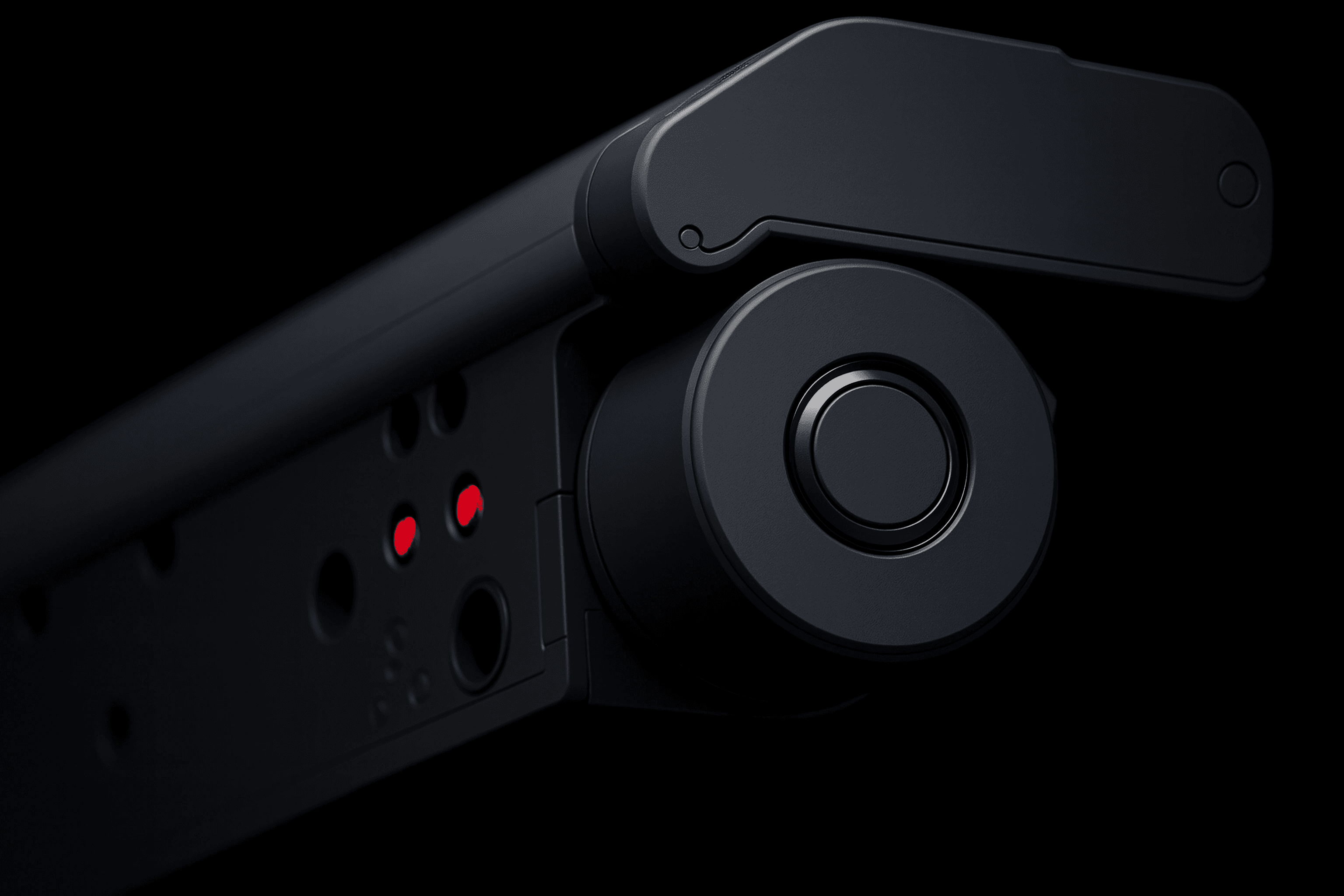
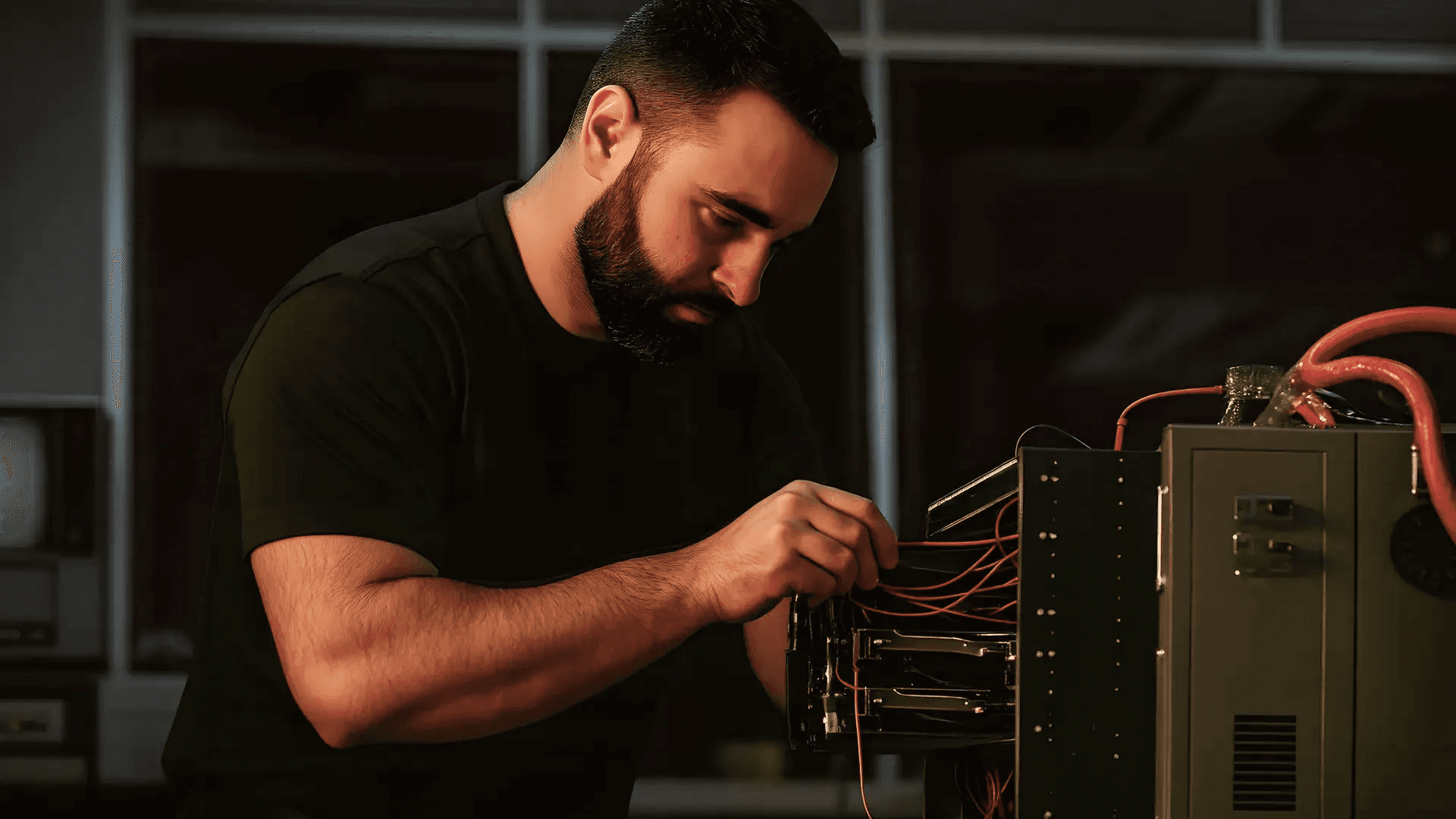
Every critical aspect of the process must be measured. Hardware structures systems to capture data in real time, ensuring no event is missed or overlooked.

max voltage
240v

compression ratio
3:1

throughput
8.6gbps

signal latency
1.8ms

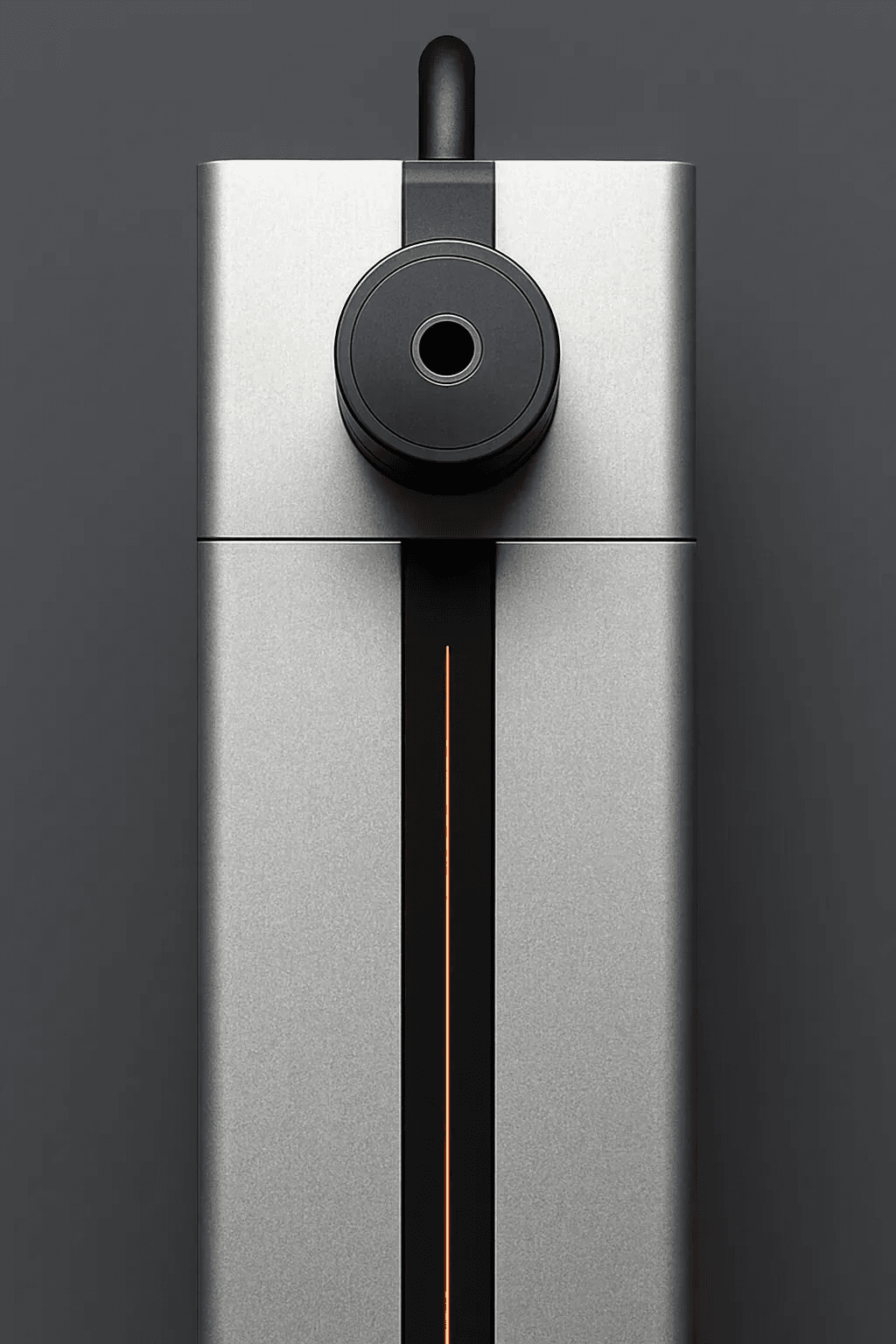
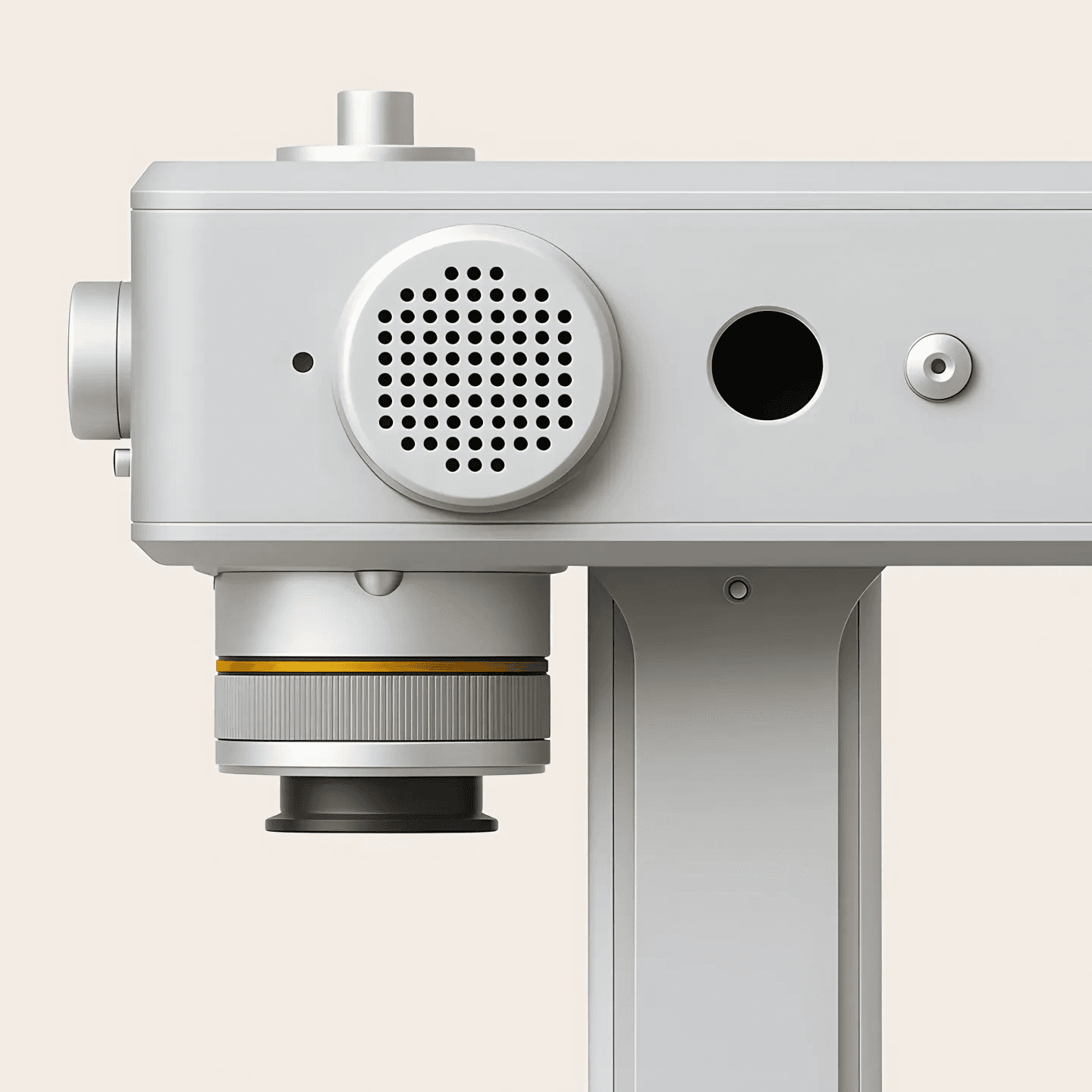
next generation feedback mechanisms from day 1
next generation feedback mechanisms from day 1
01
Real-time I/O
02
Parse demand signals
03
Capture telemetry
We make design specifications clear from the start. Hardware removes uncertainty by fixing dimensions, tolerances, and materials before development begins.
outward magnetic intensity
+320nm
outward magnetic intensity
+320nm
Process
01
Define
The foundation begins with clarity. Every process must be precisely scoped, with boundaries drawn around what will be examined and improved. Hardware establishes the parameters, identifying which variables matter and which can be set aside. Definitions create a shared language across teams, ensuring everyone operates from the same understanding of success, failure, and acceptable variance. Without this stage, efforts scatter in multiple directions without coherence. Defining means making explicit what was previously assumed, transforming vague intentions into concrete specifications that can be tested and verified.
02
Measure
Once the framework is defined, every critical aspect of the process must be measured. Hardware structures systems to capture data in real time, ensuring no event is missed or overlooked. Inputs and outputs are logged in structured records that can be compared over time. Measurement establishes the baseline and highlights deviations as soon as they appear. Measuring is not just about collecting numbers but about making them reliable. Without precision, data becomes noise. Hardware ensures that readings are calibrated, timestamped, and verifiable. This gives teams confidence that what they see reflects actual conditions rather than assumptions.
03
Analyse
Data without interpretation remains inert. Analysis transforms measurements into insights by identifying patterns, correlations, and root causes. Hardware processes the collected information, comparing current performance against the established baseline and flagging anomalies that demand attention. This stage separates symptoms from underlying problems, revealing whether deviations stem from random variation or systematic issues. Analysis asks why the numbers look the way they do, tracing effects back to their origins.
04
Act
Insight must become intervention. Armed with analytical findings, teams implement targeted changes designed to close gaps between current and desired performance. Hardware executes these modifications with precision, whether adjusting parameters, recalibrating systems, or introducing new controls. Action is deliberate rather than reactive, guided by evidence rather than intuition. Each change is documented so its effects can be tracked. Acting transforms understanding into tangible improvement, converting diagnostic knowledge into operational adjustments that shift the system toward optimal performance.
05
Validate
Improvement must be verified. Validation confirms that actions produced their intended effects and that gains are sustainable rather than temporary. Hardware monitors the modified process, comparing new measurements against both the original baseline and target specifications. This stage determines whether the cycle can close or whether additional iterations are needed. Validation also ensures that solving one problem hasn't created others elsewhere in the system. Only through rigorous confirmation can teams know whether their efforts succeeded and whether the improved state can become the new standard.
01
Define
The foundation begins with clarity. Every process must be precisely scoped, with boundaries drawn around what will be examined and improved. Hardware establishes the parameters, identifying which variables matter and which can be set aside. Definitions create a shared language across teams, ensuring everyone operates from the same understanding of success, failure, and acceptable variance. Without this stage, efforts scatter in multiple directions without coherence. Defining means making explicit what was previously assumed, transforming vague intentions into concrete specifications that can be tested and verified.
02
Measure
Once the framework is defined, every critical aspect of the process must be measured. Hardware structures systems to capture data in real time, ensuring no event is missed or overlooked. Inputs and outputs are logged in structured records that can be compared over time. Measurement establishes the baseline and highlights deviations as soon as they appear. Measuring is not just about collecting numbers but about making them reliable. Without precision, data becomes noise. Hardware ensures that readings are calibrated, timestamped, and verifiable. This gives teams confidence that what they see reflects actual conditions rather than assumptions.
03
Analyse
Data without interpretation remains inert. Analysis transforms measurements into insights by identifying patterns, correlations, and root causes. Hardware processes the collected information, comparing current performance against the established baseline and flagging anomalies that demand attention. This stage separates symptoms from underlying problems, revealing whether deviations stem from random variation or systematic issues. Analysis asks why the numbers look the way they do, tracing effects back to their origins.
04
Act
Insight must become intervention. Armed with analytical findings, teams implement targeted changes designed to close gaps between current and desired performance. Hardware executes these modifications with precision, whether adjusting parameters, recalibrating systems, or introducing new controls. Action is deliberate rather than reactive, guided by evidence rather than intuition. Each change is documented so its effects can be tracked. Acting transforms understanding into tangible improvement, converting diagnostic knowledge into operational adjustments that shift the system toward optimal performance.
05
Validate
Improvement must be verified. Validation confirms that actions produced their intended effects and that gains are sustainable rather than temporary. Hardware monitors the modified process, comparing new measurements against both the original baseline and target specifications. This stage determines whether the cycle can close or whether additional iterations are needed. Validation also ensures that solving one problem hasn't created others elsewhere in the system. Only through rigorous confirmation can teams know whether their efforts succeeded and whether the improved state can become the new standard.
01
Define
The foundation begins with clarity. Every process must be precisely scoped, with boundaries drawn around what will be examined and improved. Hardware establishes the parameters, identifying which variables matter and which can be set aside. Definitions create a shared language across teams, ensuring everyone operates from the same understanding of success, failure, and acceptable variance. Without this stage, efforts scatter in multiple directions without coherence. Defining means making explicit what was previously assumed, transforming vague intentions into concrete specifications that can be tested and verified.
02
Measure
Once the framework is defined, every critical aspect of the process must be measured. Hardware structures systems to capture data in real time, ensuring no event is missed or overlooked. Inputs and outputs are logged in structured records that can be compared over time. Measurement establishes the baseline and highlights deviations as soon as they appear. Measuring is not just about collecting numbers but about making them reliable. Without precision, data becomes noise. Hardware ensures that readings are calibrated, timestamped, and verifiable. This gives teams confidence that what they see reflects actual conditions rather than assumptions.
03
Analyse
Data without interpretation remains inert. Analysis transforms measurements into insights by identifying patterns, correlations, and root causes. Hardware processes the collected information, comparing current performance against the established baseline and flagging anomalies that demand attention. This stage separates symptoms from underlying problems, revealing whether deviations stem from random variation or systematic issues. Analysis asks why the numbers look the way they do, tracing effects back to their origins.
04
Act
Insight must become intervention. Armed with analytical findings, teams implement targeted changes designed to close gaps between current and desired performance. Hardware executes these modifications with precision, whether adjusting parameters, recalibrating systems, or introducing new controls. Action is deliberate rather than reactive, guided by evidence rather than intuition. Each change is documented so its effects can be tracked. Acting transforms understanding into tangible improvement, converting diagnostic knowledge into operational adjustments that shift the system toward optimal performance.
05
Validate
Improvement must be verified. Validation confirms that actions produced their intended effects and that gains are sustainable rather than temporary. Hardware monitors the modified process, comparing new measurements against both the original baseline and target specifications. This stage determines whether the cycle can close or whether additional iterations are needed. Validation also ensures that solving one problem hasn't created others elsewhere in the system. Only through rigorous confirmation can teams know whether their efforts succeeded and whether the improved state can become the new standard.
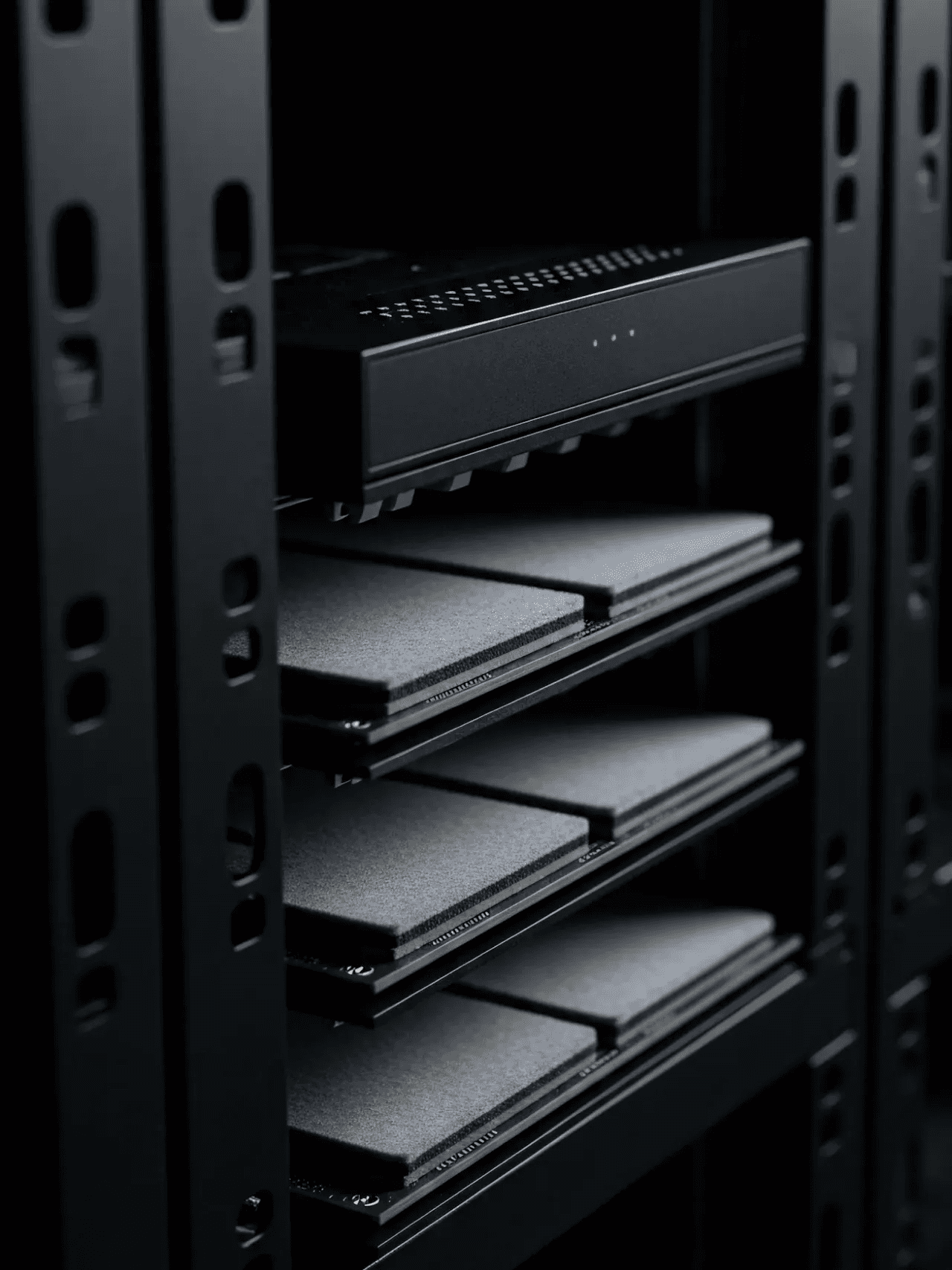

The CPX-9
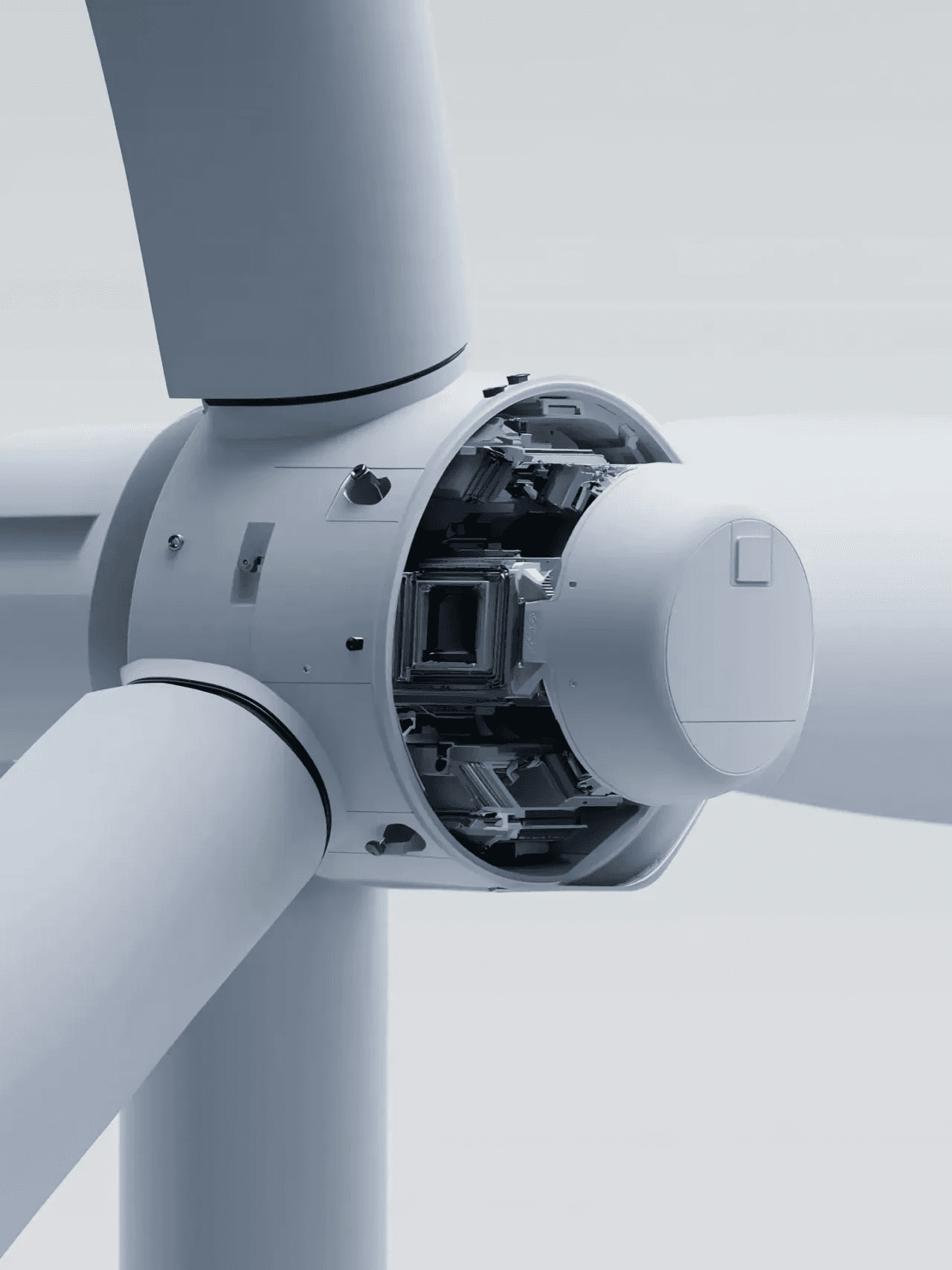
Industrial workflows often hide inefficiencies. the cpx-9 captures small shifts in performance and output, making patterns visible before they become major failures.
outward magnetic intensity
42x
outward magnetic intensity
42x
compression ratio
3:1
compression ratio
3:1
conversion rate
84.7%
Pricing
guidance
From
$3,499
per engagement
Structured guidance for specific challenges
This plan is ideal for companies seeking clarity in design-to-production workflows without committing to long-term integration.
Cut prototype-to-production cycle
Reduce reporting workloads
Shorten inspection clearance times by weeks
guidance
From
$3,499
per engagement
Structured guidance for specific challenges
This plan is ideal for companies seeking clarity in design-to-production workflows without committing to long-term integration.
Cut prototype-to-production cycle
Reduce reporting workloads
Shorten inspection clearance times by weeks
guidance
From
$3,499
per engagement
Structured guidance for specific challenges
This plan is ideal for companies seeking clarity in design-to-production workflows without committing to long-term integration.
Cut prototype-to-production cycle
Reduce reporting workloads
Shorten inspection clearance times by weeks
immersion
From
$9,499
per engagement
Deep integration with long-term support
With embedded Hardware consultants and advanced data integration, this plan ensures sustained reliability and operational intelligence at scale.
Enterprise-wide data integration and dashboards
Predictive analytics for maintenance and output
Dedicated on-site Hardware consulting team
immersion
From
$9,499
per engagement
Deep integration with long-term support
With embedded Hardware consultants and advanced data integration, this plan ensures sustained reliability and operational intelligence at scale.
Enterprise-wide data integration and dashboards
Predictive analytics for maintenance and output
Dedicated on-site Hardware consulting team
immersion
From
$9,499
per engagement
Deep integration with long-term support
With embedded Hardware consultants and advanced data integration, this plan ensures sustained reliability and operational intelligence at scale.
Enterprise-wide data integration and dashboards
Predictive analytics for maintenance and output
Dedicated on-site Hardware consulting team
Join the club.

Join the club.
Join the club.